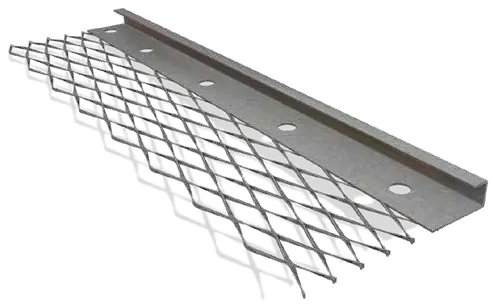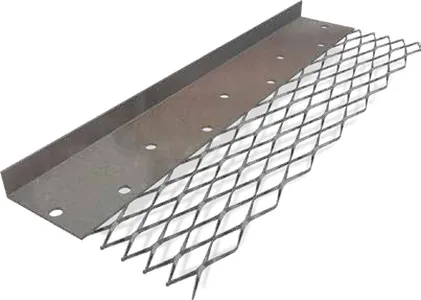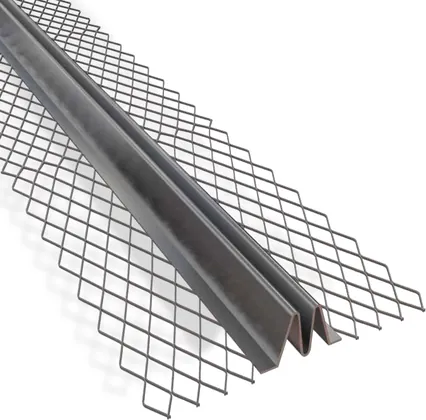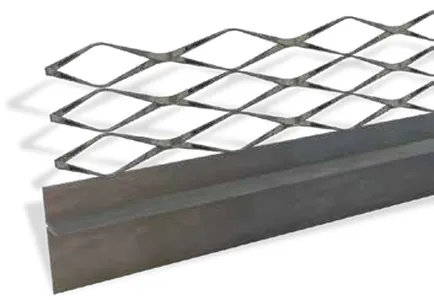
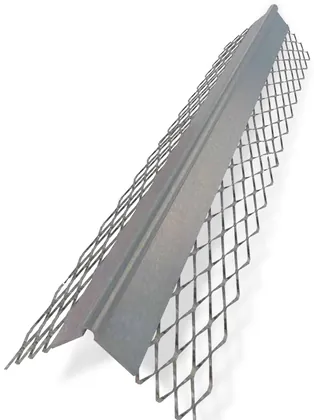
Angle bead
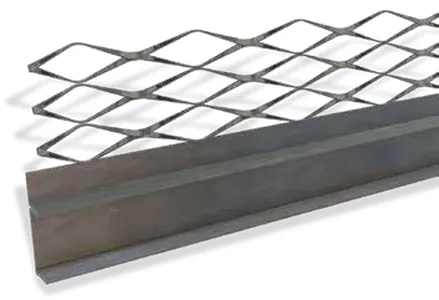
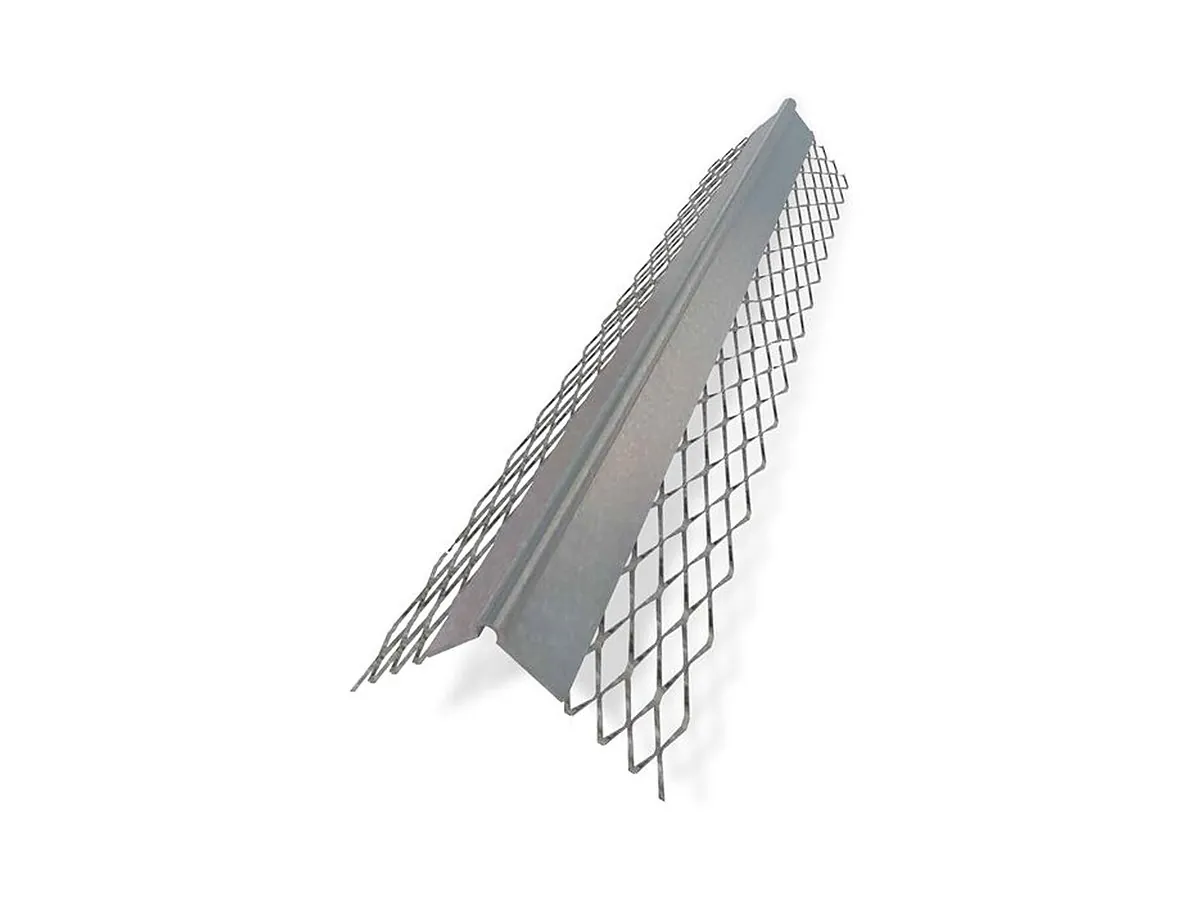
Corner bead with solid metal nose and expanded diamond mesh wings that key the plaster and protect corners with a straight line.
- Material
- Galvanised steel (internal) · stainless steel A4 (external)
- Standard
- BS EN 13658-1/-2
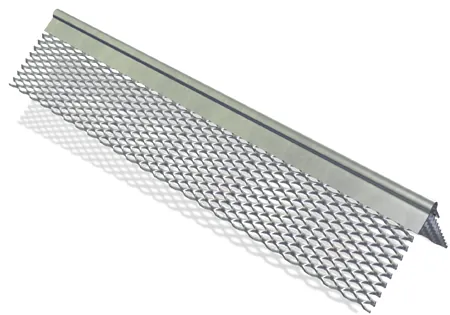
Angle, stop, control joint, architrave and movement beads — the range that gives plaster and render straight, reinforced edges and controls cracking.

Beads are fixed before rendering and give the plasterer a true edge to work to. Angle beads protect external corners, stop beads finish the render at openings and other materials, and control joint beads divide large areas and allow movement, limiting shrinkage cracking. Stainless A4 beads are used externally and in wet areas.
Plaster beads, expanded metal lath, steel lintels, blockwork accessories and blockwork reinforcement are all covered by the same KAVITY-03 catalogue.
9 products from catalogue KAVITY-03 — material, finish and codes as published. Each card links to its catalogue page.

Corner bead with solid metal nose and expanded diamond mesh wings that key the plaster and protect corners with a straight line.

Thin-coat corner bead with fine mesh wings, fixed with galvanised nails or plaster dabs, for corner protection.

Universal plaster stop giving a straight, reinforced edge at wall ends and door and window openings, with nail holes for fixing.

Thin-coat plaster stop for edge protection at openings and abutments with other wall finishes.

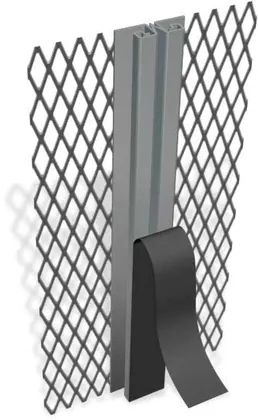
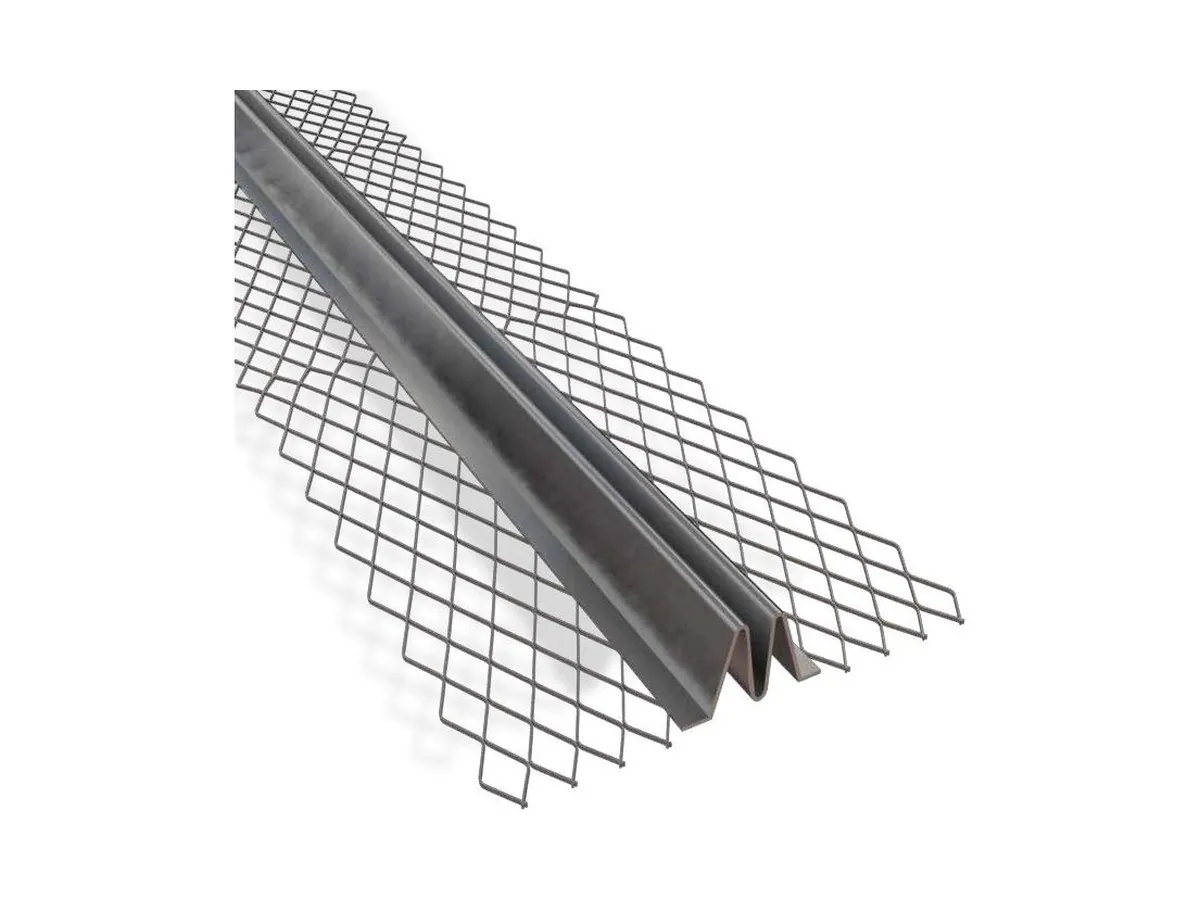
Bead that allows movement in plaster at expansion and control joints on walls and ceilings, minimising cracking.

Decorative bead forming a channel gap or shadow line between different wall finishes.

Flangeless decorative bead forming a shadow line between different wall finishes.

Bead that relieves stress in large wall and ceiling plaster areas and allows movement between adjoining finishes at expansion joints.

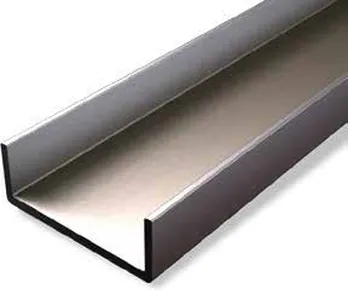
Aluminium channel used to form grooves as a decorative detail in plaster finishes.
Send the project drawings, specification and load requirements. Our engineers size the system and prepare a technical proposal, with the calculation and shop drawings needed for approval.